
What Does “Net Zero” Actually Mean?
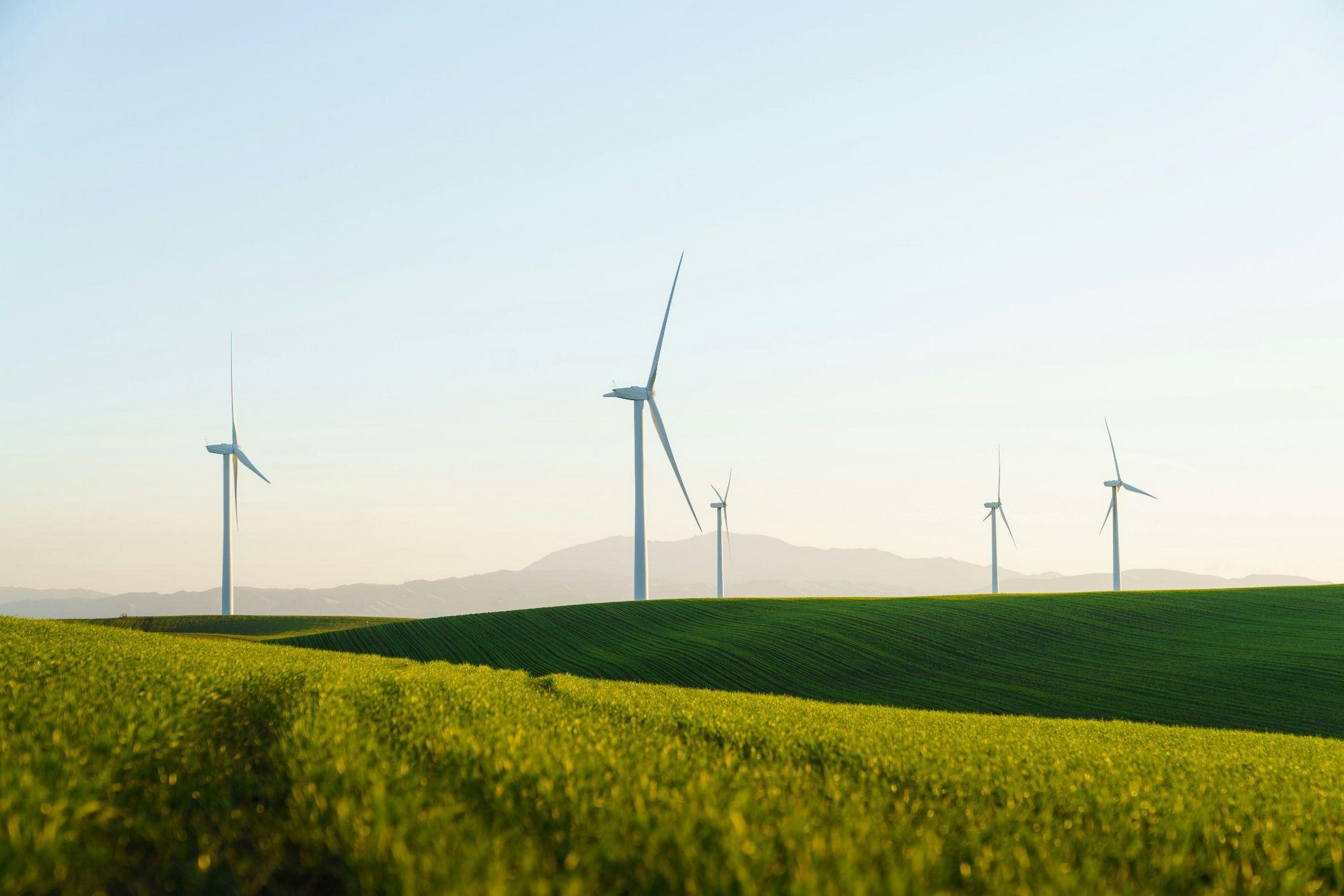
“Net zero” is a term we hear everywhere, from climate policies and corporate sustainability reports to everyday conversations about climate change. But what does it actually mean, and why does it matter?
What Is Net Zero?
Net zero means reducing greenhouse gas emissions as much as possible and balancing the emissions that remain with an equivalent amount of greenhouse gases removed from the atmosphere.
This includes more than just carbon dioxide (CO₂). Other greenhouse gases, such as methane and nitrous oxide, also contribute to global warming.
The key idea is simple: first reduce emissions, then address the small amount that cannot yet be eliminated. This is essential because reaching global net-zero is necessary to stop further warming caused by CO₂ emissions.
How Can We Reach Net Zero?
Achieving net zero requires changes across the entire economy, not just individual lifestyle choices. Some important steps include:
- Switching to clean energy: Replacing fossil fuels with renewable electricity from sources such as wind and solar.
- Transforming transport: Expanding public transport, cycling infrastructure and electric mobility.
- Making buildings more efficient: Improving insulation and using efficient heating systems to reduce energy consumption.
- Transforming industry: Developing cleaner production methods and reducing emissions from materials such as steel and cement.
- Addressing remaining emissions: Using credible carbon removal methods to balance emissions that are difficult to eliminate.
Nature also plays an important role. Forests and other ecosystems store carbon, making their protection and restoration valuable parts of climate action.
However, protecting nature and purchasing carbon credits should not become substitutes for cutting emissions at their source. The priority should always be to reduce emissions first.
What Does Net Zero Mean for Europe?
The European Union has made climate neutrality by 2050 a legally binding objective under the European Climate Law. Its targets include reducing net greenhouse gas emissions by at least 55% by 2030 and by 90% by 2040, compared with 1990 levels.
Reaching these goals means transforming how Europe produces energy, heats buildings, and manufactures goods. It also requires investment in clean technologies, supportive policies and cooperation between governments, businesses and citizens.
Although Europe has established its own targets, net zero is a global challenge. Every region needs a pathway that reflects its circumstances while contributing to the worldwide effort to limit climate change.
What Can Businesses and Individuals Do?
Businesses can measure their carbon footprints, set credible emissions-reduction targets, improve energy efficiency and work with suppliers to reduce emissions throughout their value chains.
Individuals can also contribute by choosing lower-carbon transport, reducing energy use, wasting less food and making more sustainable purchasing decisions.
These actions matter, but individual choices alone cannot deliver net zero. Clean energy infrastructure, effective climate policies and changes across entire industries are equally important.
Net zero is not about eliminating every emission. It is about making measurable reductions and taking responsibility for the emissions that remain. The sooner governments, businesses and individuals work towards this goal together, the better our chances of building a more sustainable future.
Take the Next Step with TeamClimate
Reducing your daily carbon footprint is an essential first step, but reaching net zero requires addressing those unavoidable residual emissions. This is where TeamClimate can help you go further.
By calculating your personal carbon footprint, you can understand your impact and take active responsibility for the emissions you cannot yet eliminate. Through a TeamClimate subscription, you can regularly support certified climate projects that remove emissions globally, taking you all the way to net zero.