
Mokattam: The People Behind Cairo's Recycling Community
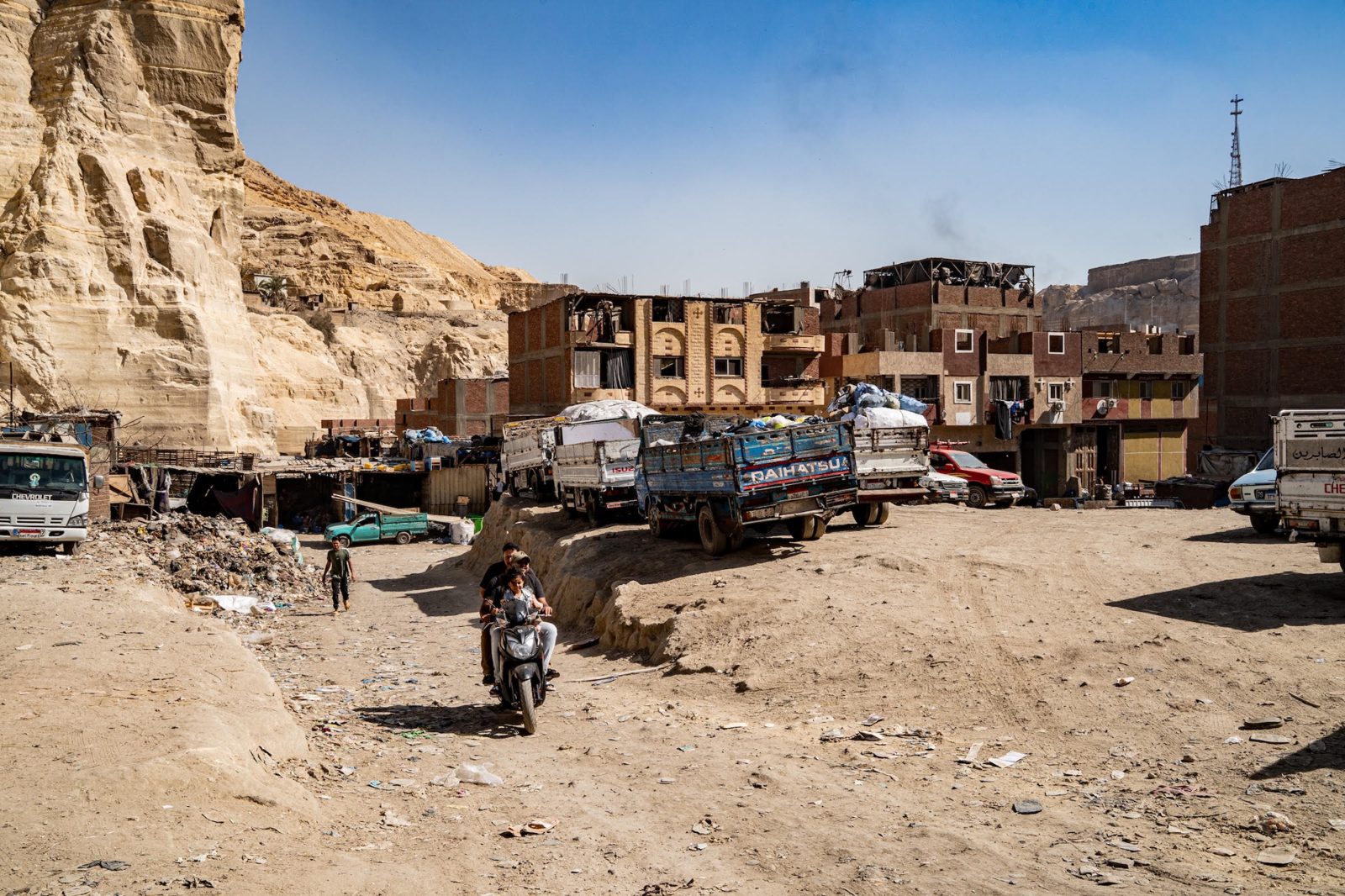
What if the waste we throw away every day could become a valuable resource? In Mokattam, Cairo, Egypt, this idea is part of everyday life. For generations, the Zabbaleen community has collected, sorted, and recycled waste from across the Egyptian capital, building a system in which discarded materials can find a second life.
In September 2026, Austrian documentary photographer Ingmar Ostermaier spent several days in the community, documenting its recycling practices and the people behind them. What began as a photographic project about an extraordinary waste management system became a story about the people whose knowledge and daily work make recycling possible.
His project, MOKATTAM, offers a closer look at a community that challenges the way we think about waste and sustainable living.
A Different Perspective on Waste
At the foot of Mokattam Hill lies Manshiyat Naser, a Cairo neighborhood widely known for its recycling activities. Here, the Zabbaleen community has developed a system that connects waste collection with sorting, processing, and the recovery of valuable materials.
During his time in Mokattam, Ostermaier visited families, observed daily work, and documented different stages of the recycling process. Materials that might otherwise be discarded are separated according to their type, including plastics, metals, and paper, before being processed or sold for further use.
What makes this system particularly interesting is the experience behind it. Recycling is not simply a matter of placing waste in the correct bin. It also requires knowledge of materials, established networks, and people who understand how to turn discarded items into something useful.
Ostermaier's photographs reveal family businesses, manual work, and everyday moments, showing a side of recycling that is often overlooked: the human effort behind recovering resources.
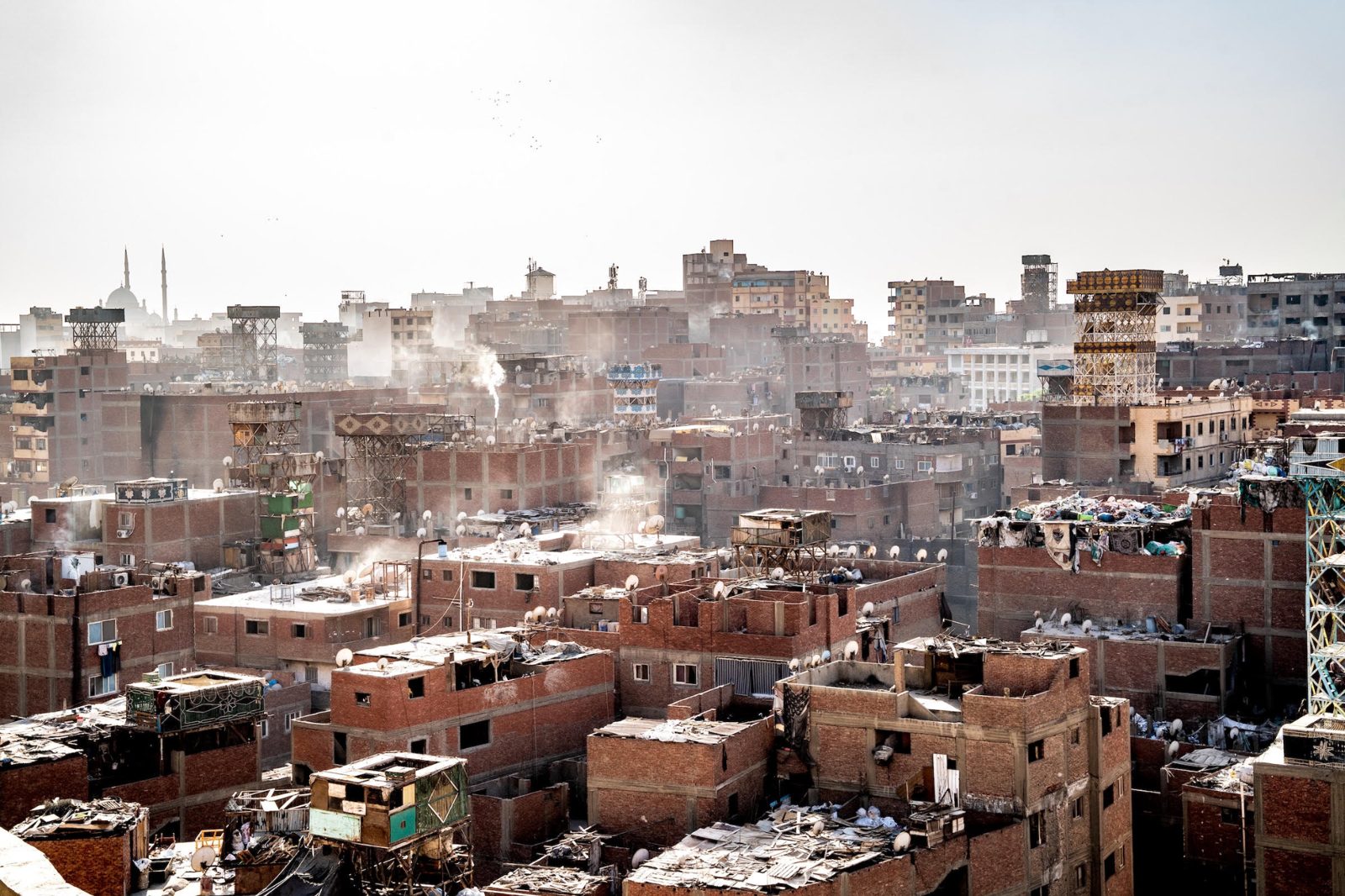
From Waste to Valuable Resources
The experience in Mokattam highlights a fundamental principle of sustainability: waste is not always the end of a product's life.
In a traditional linear economy, resources are extracted, manufactured into products, consumed, and eventually discarded. This approach requires a continuous supply of new raw materials and creates large quantities of waste.
A circular economy offers a different model. It aims to keep products and materials in use for as long as possible through reuse, repair, recycling, and more efficient production.
The work taking place in Mokattam demonstrates what this can look like in practice. By sorting materials and directing them toward different recycling processes, the community helps recover resources that might otherwise be lost.
This matters because producing new materials often requires energy and raw resources. Recycling suitable materials can reduce the need for new materials and lower energy consumption and associated greenhouse gas emissions.
The same principle applies far beyond Cairo. Businesses can design products that are easier to repair and recycle, manufacturers can incorporate recycled materials into production, and individuals can reduce waste by buying less, reusing what they already own, and separating recyclable materials correctly.
Mokattam reminds us that sustainability is not only about developing new technologies. It is also about recognizing the value of existing resources and creating systems that allow them to be used again.
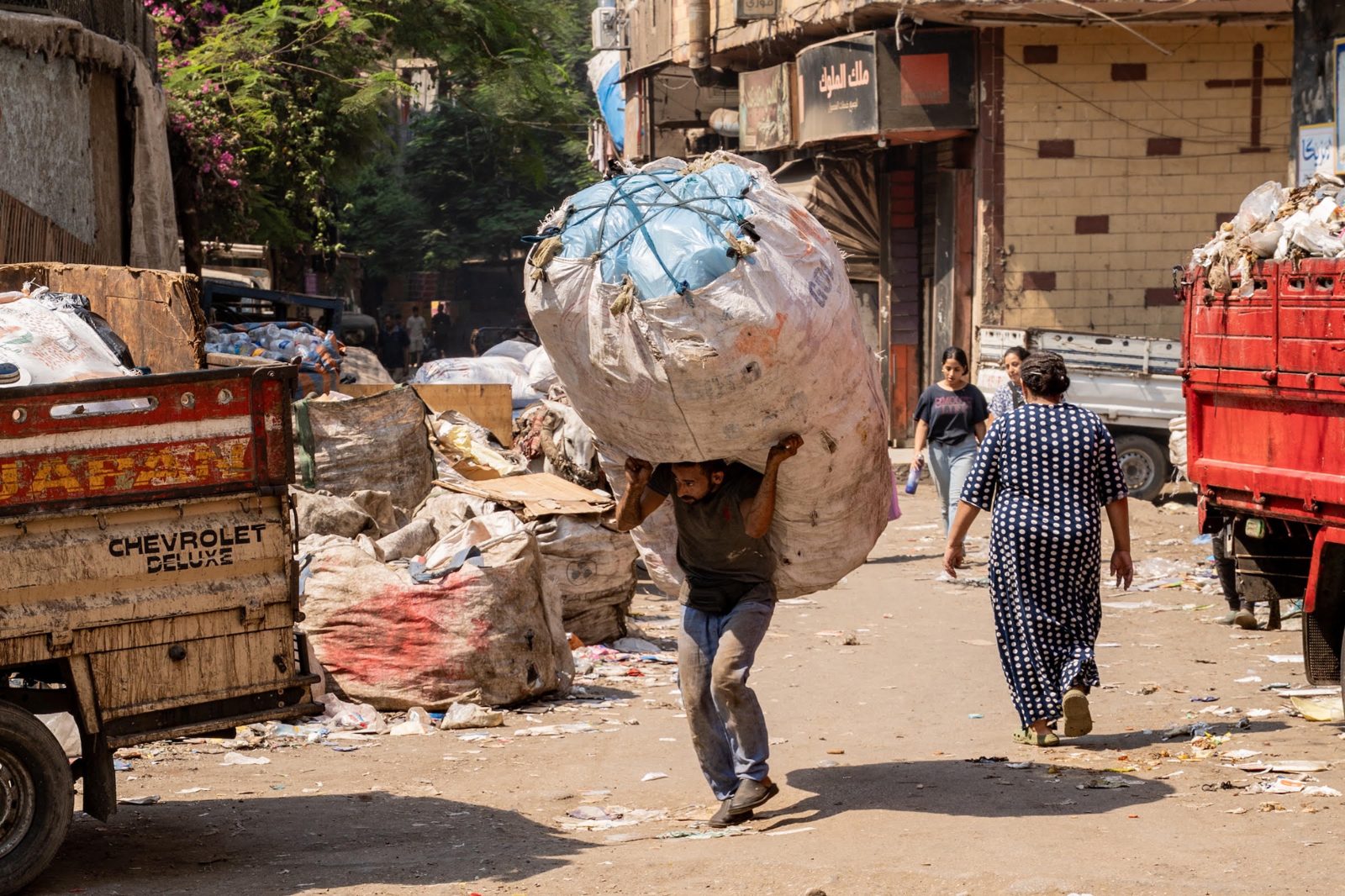
The People Behind the Circular Economy
Waste management is often viewed as a technical challenge, yet every successful recycling system also depends on the people who collect, sort, transport, and process materials.
In Mokattam, this work is closely connected to family businesses, community knowledge, and livelihoods built around resource recovery. The recycling system is not simply an environmental process; it is also an economic and social one.
Communities such as the Zabbaleen demonstrate how local knowledge and practical experience can contribute to resource efficiency. Their work also raises a broader question: how can cities build more sustainable waste management systems while supporting the workers and communities already contributing to them?
There is no single solution that can be applied everywhere. Different places face different economic, social, and infrastructural challenges. However, Mokattam shows that progress starts by building on existing knowledge, and ensuring that the people behind these systems are recognized.
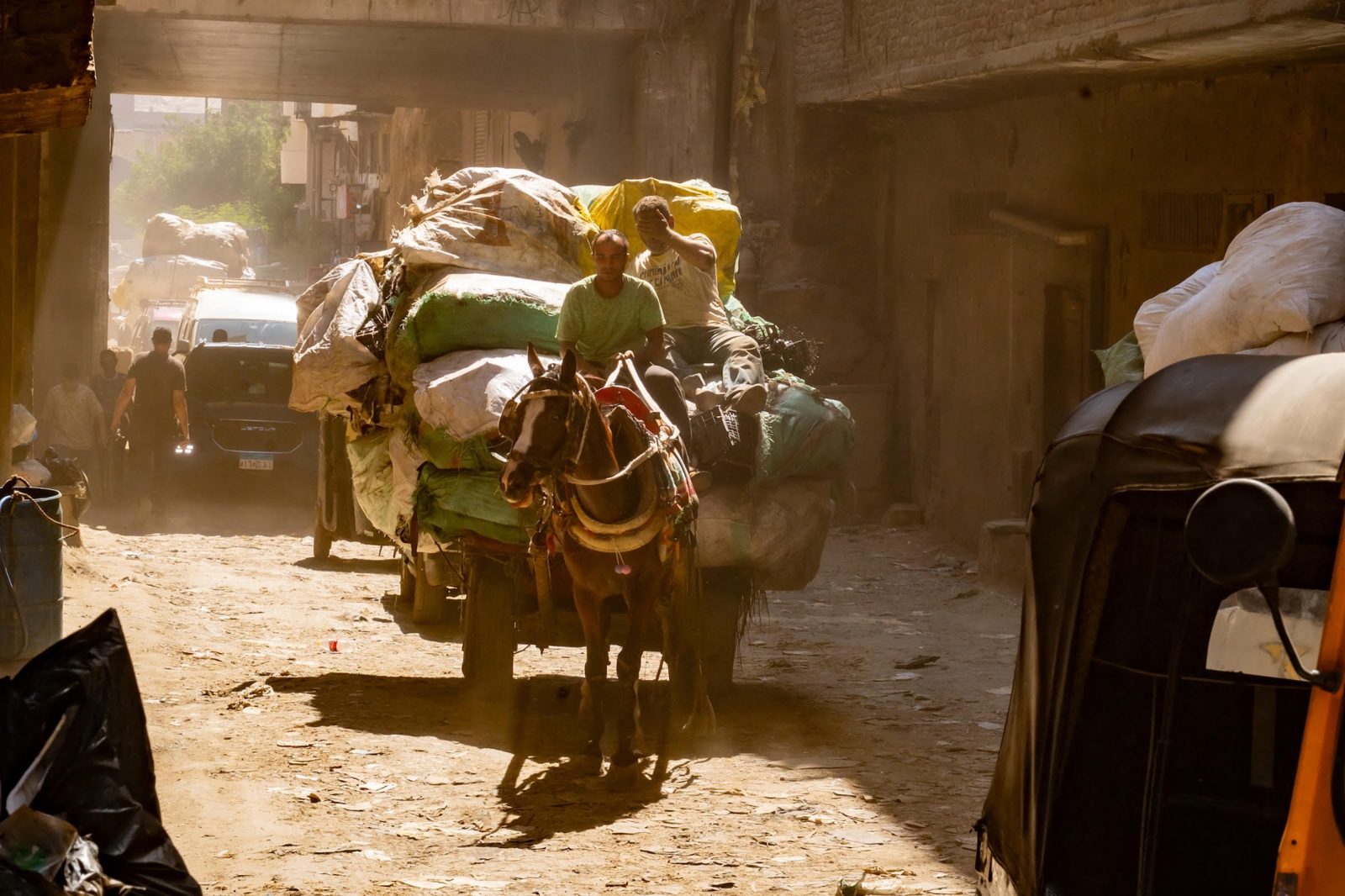
From Waste Reduction to Climate Action
Reducing waste and reusing materials can lower emissions, but tackling climate change requires action across every part of our lives, from energy and transport to the products we consume.
At TeamClimate, we believe understanding your carbon footprint is an important first step. Reducing emissions should always come first. For emissions that remain difficult to eliminate, credible carbon credits can complement these efforts by supporting certified climate projects with verified benefits.
Through a TeamClimate subscription, you can calculate your carbon footprint and regularly support climate projects around the world.
Mokattam reminds us that sustainability starts with recognizing the value in what we already have. By using resources more wisely and taking responsibility for the emissions we cannot yet eliminate, we can all contribute to a more sustainable future.
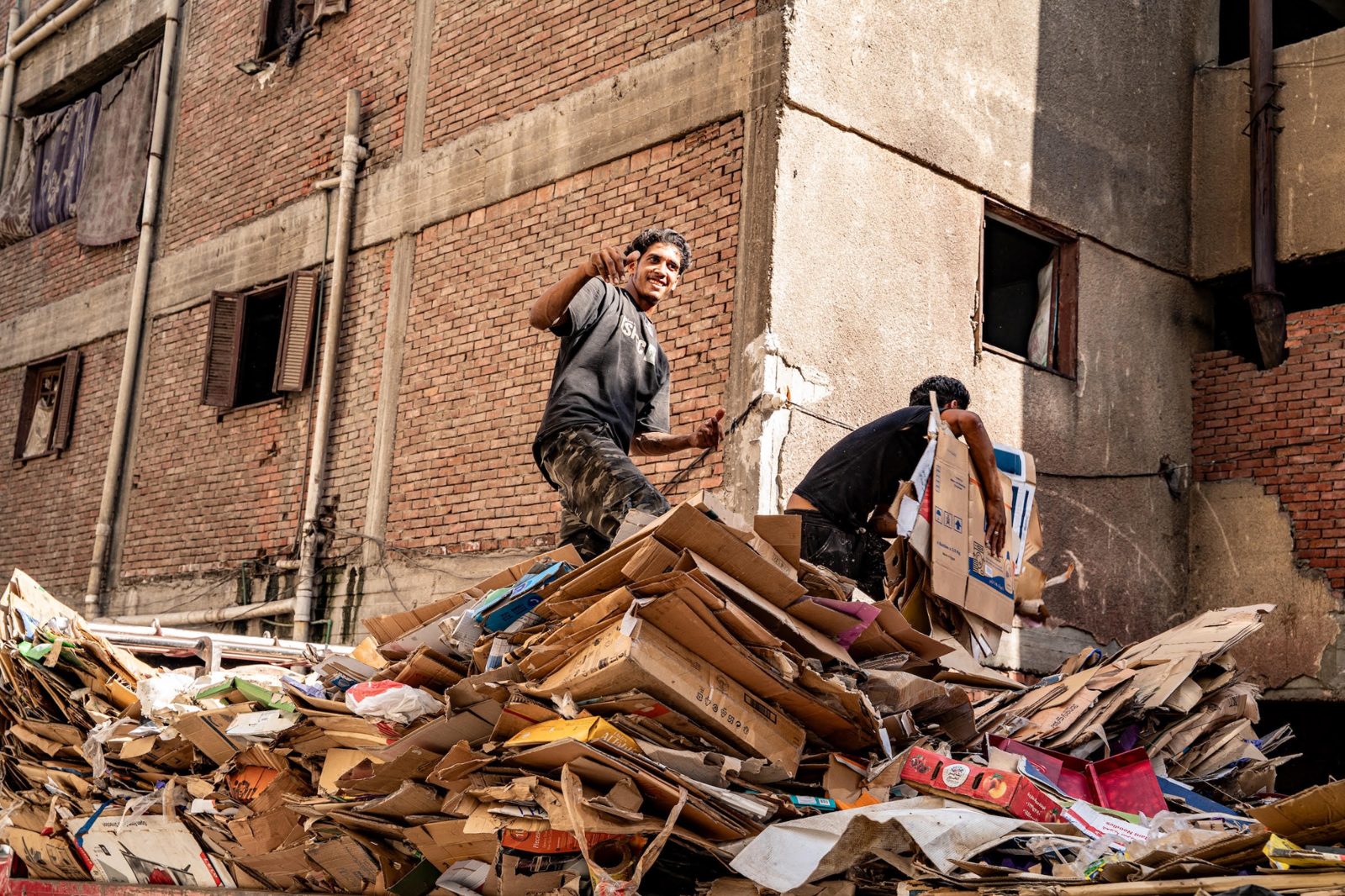
Discover the MOKATTAM Project
MOKATTAM is a documentary photography project by Ingmar Ostermaier, created in Cairo in September 2026. Through a collection of photographs, the series explores the people behind the city's recycling community and the human stories that make its work possible.
Explore the project and view the complete photography series at ingmarostermaier.com.
Photography: © Ingmar Ostermaier Project: MOKATTAM – Cairo, Egypt, 2026
Sources
- The Challenges of Circularity in Egypt – CircEMED
- How Tech Is Helping Egypt's Informal Recyclers Build a Circular Economy – World Economic Forum
- Learning and Earning in Cairo's Garbage City – UNESCO
- Cairo's Contested Garbage: Sustainable Solid Waste Management and the Zabaleen's Right to the City – Sustainability