
Europas Sommer der Feuer: Was diese Saison über Wälder als Kohlenstoffspeicher verrät
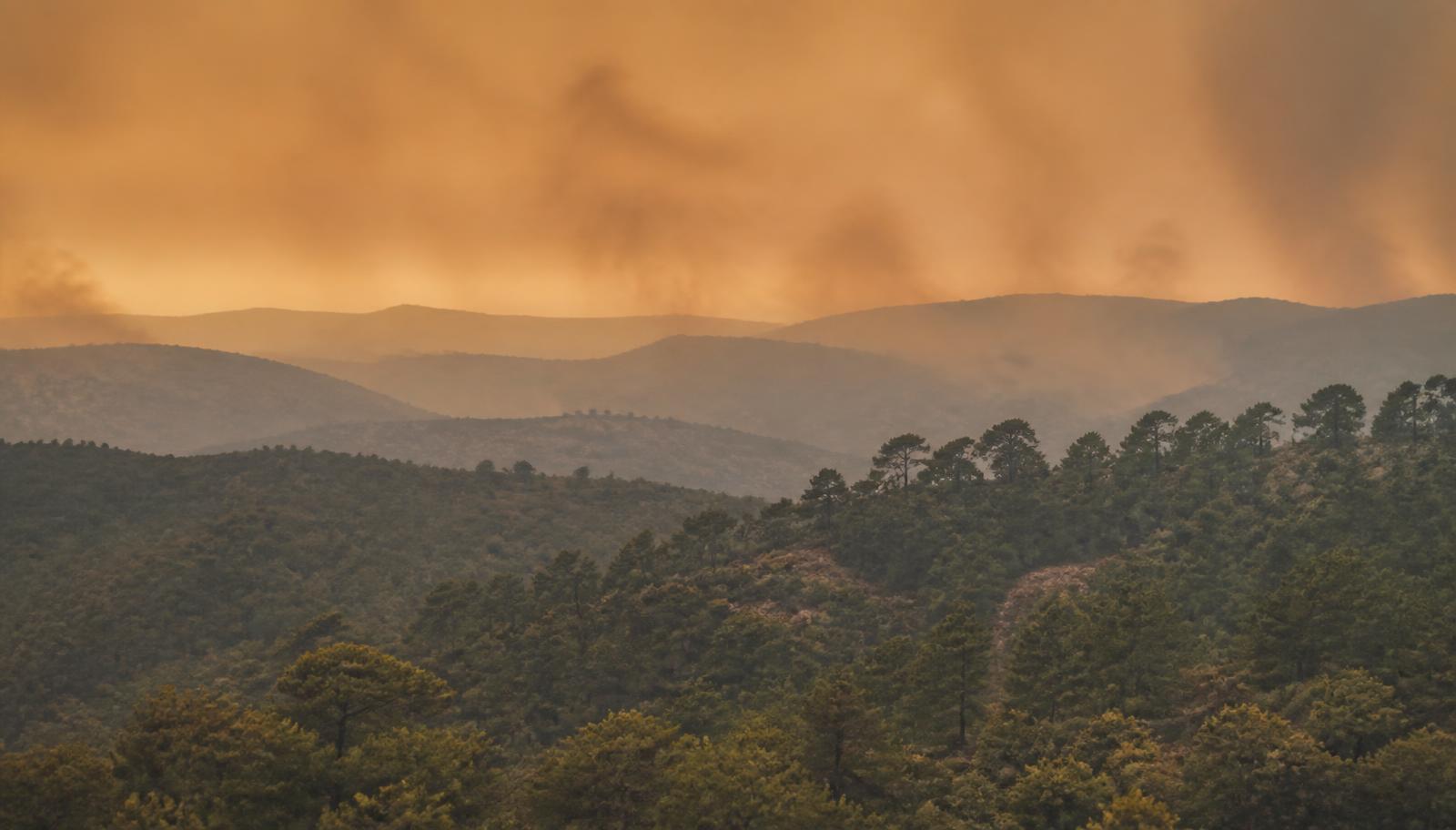
Europa hat gerade eine der schwersten Waldbrandsaisons seit Beginn der Aufzeichnungen erlebt — ausgelöst durch eine Hitzewelle, die es laut Wissenschaftlerinnen und Wissenschaftlern ohne den Klimawandel praktisch nicht gegeben hätte. Über das Leid für Menschen und Häuser hinaus hat dieser Sommer offengelegt, was die Klimaforschung seit Jahren beobachtet: Wälder verlieren als verlässliche Kohlenstoffspeicher an Boden — genau dann, wenn wir sie am dringendsten brauchen.
Ein Rekordsommer
Westeuropa verzeichnete 2026 den heißesten Zeitraum von Juni bis Juli seit Beginn der Messungen. Der EU-Klimawandeldienst Copernicus maß Durchschnittstemperaturen von 2,79 °C über dem historischen Mittel und übertraf damit den bisherigen Rekord von 2022. Teile des Kontinents erlebten über den Sommer fünf separate Hitzewellen, in mehreren Ländern mit Temperaturen über 40 °C.
Die Brände, die folgten, waren nach jedem Maßstab schwerwiegend. In Frankreich verbrannten im Jahresverlauf mehr als 115.000 Hektar — ein nationaler Rekord. Allein das Feuer in der Gironde vernichtete rund 42.000 Hektar und zwang mehr als 220.000 Menschen zur Evakuierung. Spanien und Portugal verloren jeweils Zehntausende Hektar, Brände gab es außerdem in Italien, Griechenland, Deutschland und Großbritannien. Allein in Frankreich und Spanien mussten über 320.000 Menschen ihre Häuser verlassen.
Die Wissenschaft hinter der Hitze
Das war kein gewöhnliches Sommerwetter. Eine schnelle Attributionsanalyse von World Weather Attribution — einem Netzwerk von Forschenden, das den Zusammenhang zwischen Klimawandel und Extremwetter untersucht — bezeichnete die Hitzewelle im Juni 2026 als die schwerste jemals in der Region gemessene. Vergleichbare Hitze wäre 1976 „praktisch unmöglich" gewesen. Nächtliche Temperaturen wie die gemessenen sind laut den Forschenden mehr als hundertmal wahrscheinlicher als noch 2003.
Rekordwerte bei den Meeresoberflächentemperaturen verschärften die Lage. Copernicus registrierte im Mittelmeer Wassertemperaturen von bis zu 6 °C über dem Normalwert — Nährboden für die trockenen, stagnierenden Bedingungen, unter denen sich Feuer schnell ausbreiten und heiß brennen.
Was das für Wälder als Kohlenstoffspeicher bedeutet
Das betrifft unsere Arbeit unmittelbar. Wälder gelten als eine der verlässlichsten Kohlenstoffsenken der Menschheit und nehmen rund ein Drittel der jährlichen CO₂-Emissionen aus fossilen Brennstoffen auf. Diese Rolle steht messbar unter Druck.
Eine Studie aus dem Jahr 2026 in *Nature Geoscience* wertete Satellitendaten über Europas 216 Millionen Hektar Wald aus. Ergebnis: Der Verlust oberirdischer Biomasse durch natürliche Störungen — Feuer, Dürre, Borkenkäferbefall — hat sich seit 2018 deutlich beschleunigt. Die EU hat sich gesetzlich das Ziel gesetzt, ihre Waldkohlenstoffsenke bis 2030 auf rund 310 Megatonnen CO₂-Äquivalent zu steigern. Forschende warnen, dass steigende Störungsraten dieses Ziel schwerer erreichbar machen.
Der Mechanismus geht über das direkt beim Verbrennen freigesetzte CO₂ hinaus. Eine in *Nature Communications* veröffentlichte Studie zur europäischen Dürre 2022 fand, dass Hitze- und Trockenstress die Kohlenstoffaufnahme der Wälder kontinentweit in einem einzigen Sommer um 56 bis 62 Teragramm Kohlenstoff verringerten. Der Rückgang der Photosynthese übertraf den durch Brände im selben Zeitraum direkt freigesetzten Kohlenstoff. Gestresste Wälder hören auf, Kohlenstoff aufzunehmen, noch bevor sie überhaupt brennen.
Eine verwandte Studie im *National Science Review* zeigt, dass die Baummortalität in europäischen Wäldern in den vergangenen drei Jahrzehnten nahezu doppelt so hoch ausfiel. Forschende des RECCAP-2-Projekts haben eine breitere Schwächung der europäischen Landkohlenstoffsenke dokumentiert — verbunden mit alternden Wäldern, verstärkter Holzernte und klimabedingten Störungen.
Wälder bleiben entscheidend. Aber eine Kohlenstoffsenke unter diesem Druck braucht aktiven Schutz — nicht die Annahme, dass sie ihre Aufgabe schon von allein weiter erfüllt.
Warum das für die Projekte zählt, die wir finanzieren
Das ist das Argument dafür, Waldschutz ernst zu nehmen und ihn nicht als eine Projektkategorie unter vielen zu behandeln. Ein Wald, der brennt, setzt nicht nur den gespeicherten Kohlenstoff frei. Er nimmt jahrelang, manchmal jahrzehntelang keinen neuen Kohlenstoff mehr auf, während er sich erholt — und im schlimmsten Fall erreicht er seine frühere Kapazität nie wieder. Jeder Hektar Wald, der diesen Sommer intakt blieb — durch Brandprävention, aktives Management oder Finanzierung laufender Schutzprogramme — hat echte, messbare Klimaarbeit geleistet, in einem Moment, in dem Europas eigene Wälder genau damit kämpften.
Bestehenden Wald zu schützen, degradiertes Land wiederherzustellen und das Monitoring und Management zu finanzieren, das Wälder widerstandsfähig hält, ist kein Nebenschauplatz im Klimaschutz. Dieser Sommer hat gezeigt, warum es im Zentrum stehen muss.
Quellen
- World Economic Forum — Europe's devastating heatwaves and wildfires in 4 charts
- CNN — Western Europe breaks temperature record in summer plagued by heatwaves and wildfires
- Mappr — Wildfires Across Europe in 2026: Mapping the Fires, the Deaths, and the Record Heat
- Euronews — Wildfires in Europe: Is 2026 already the worst year on record?
- World Weather Attribution — Fossil fuel emissions have rapidly worsened European heatwaves in just a few decades
- Copernicus Atmosphere Monitoring Service — Extreme wildfires in western Europe expose millions to dangerous air pollution levels
- Kowalski, K. et al. — Accelerating biomass loss from forest disturbances across Europe, *Nature Geoscience*
- van der Woude, A. et al. — Temperature extremes of 2022 reduced carbon uptake by forests in Europe, *Nature Communications*
- National Science Review — Alarming decline in the carbon sink of European forests driven by disturbances
- European Space Agency Climate Office — Europe's forests losing their carbon sink power