
Warum Wälder Klima-Infrastruktur sind — und wie wir sicherstellen, dass Waldprojekte wirken
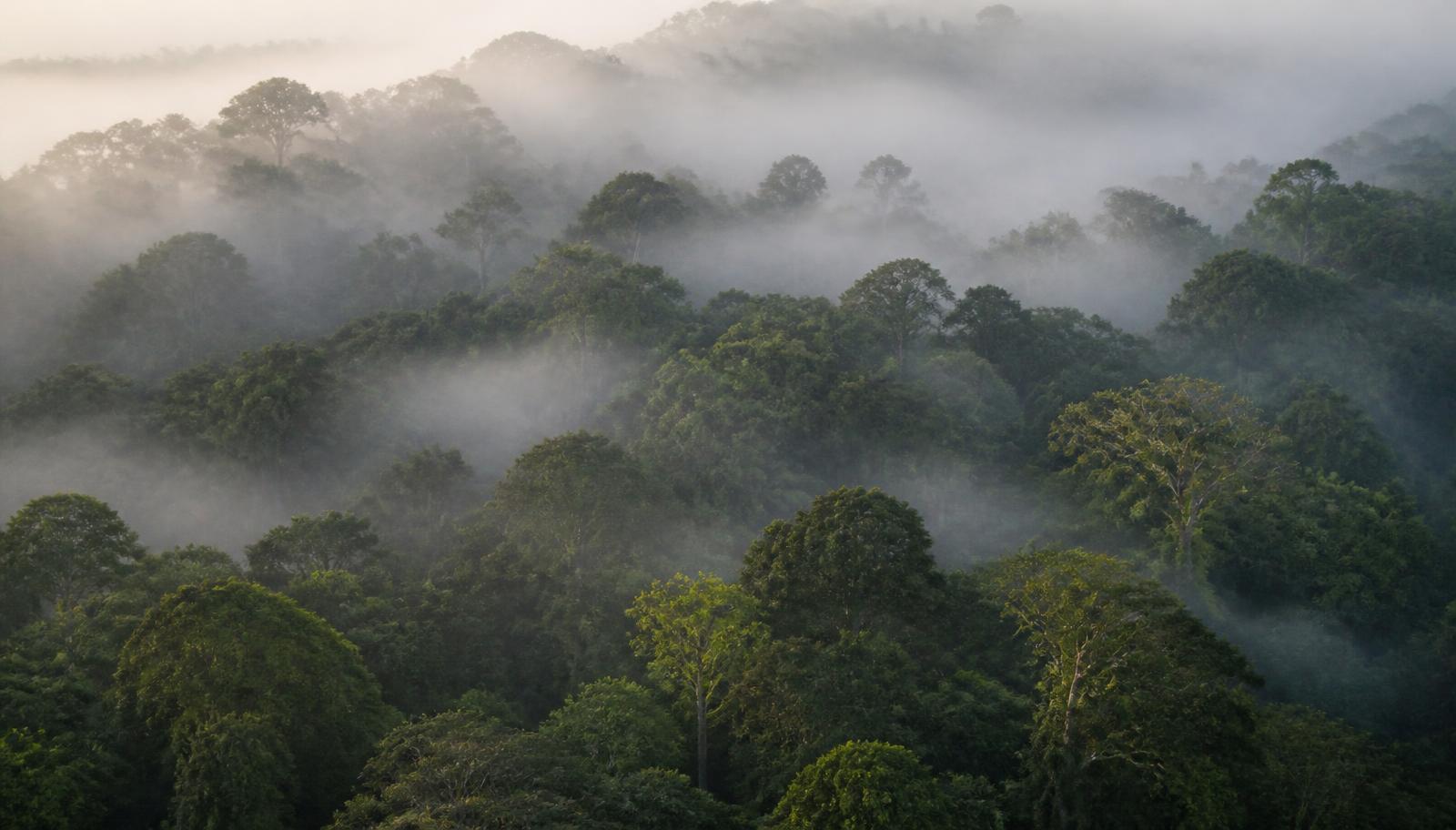
Wälder bedecken rund ein Drittel der Landfläche der Erde. Sie zu schützen gehört zu den stärksten Klimahebeln, die wir haben — gleichrangig neben der Energiewende, nicht dahinter. Warum das so ist, und wie die Branche sicherstellt, dass Waldprojekte halten, was sie versprechen.
Was Wälder fürs Klima leisten
Sie sind eine gewaltige Kohlenstoffsenke. Bäume nehmen über die Photosynthese CO₂ auf und binden es für Jahrzehnte oder Jahrhunderte in Stämmen, Wurzeln und Boden. Wird ein Wald gerodet oder brennt er ab, gelangt der größte Teil dieses Kohlenstoffs zurück in die Atmosphäre.
Sie regulieren Niederschlag und lokales Klima. Wälder geben Feuchtigkeit ab, die Regenmuster weit über ihre eigenen Grenzen hinaus speist. Der Amazonas erzeugt so viel von seinem eigenen Regen, dass großflächige Abholzung Teile des Regenwalds in dauerhafte Dürre kippen lassen könnte — ein Kreislauf, der enorme Mengen gespeicherten Kohlenstoffs freisetzen würde.
Sie schützen die Biodiversität, von der Ökosysteme abhängen. In Wäldern leben mehr Arten als in jedem anderen Landökosystem der Erde. Verschwindet die Waldfläche, bricht der Lebensraum weg, der Schädlinge reguliert, Nutzpflanzen bestäubt und Ökosysteme widerstandsfähig gegen Dürre und Krankheiten hält.
Sie sichern die Existenz der Menschen, die in und um sie herum leben. Millionen Menschen, darunter viele indigene Gemeinschaften, sind für Nahrung, Wasser, Medizin und Einkommen direkt auf Wälder angewiesen. Gut gestaltete Waldschutzprojekte finanzieren alternative Einkommensquellen wie nachhaltige Agroforstwirtschaft oder Ökotourismus — Waldschutz heißt also auch, in die Menschen zu investieren, die den Wald jeden Tag schützen.
Abholzung zu stoppen und degradierte Wälder wiederherzustellen könnte einen erheblichen Teil der Emissionsminderungen liefern, die die Welt in diesem Jahrzehnt braucht. Genau deshalb machen Waldprojekte einen so großen Teil des freiwilligen CO₂-Markts aus.
Nicht jedes Waldzertifikat ist gleich
Waldprojekte stehen im CO₂-Markt am stärksten unter Beobachtung. Recherchen der letzten Jahre haben reale Probleme aufgedeckt: Manche Projekte haben überschätzt, wie viel Abholzung sie tatsächlich verhindert haben, oder Zertifikate für Wald ausgestellt, der nie ernsthaft bedroht war. Diese Kritik hat die Branche zu strengeren Standards, mehr unabhängiger Aufsicht und engerem Monitoring gedrängt.
Die Standards und Zertifizierungen hinter einem Projekt zählen genauso viel wie das Projekt selbst.
REDD+: das Rahmenwerk hinter den meisten Waldschutz-Zertifikaten
REDD+ steht für Reducing Emissions from Deforestation and forest Degradation — plus den Erhalt von Waldkohlenstoffspeichern, nachhaltige Waldbewirtschaftung und die Erhöhung dieser Speicher. Es begann als UN-Rahmenwerk und liegt heute den meisten Waldschutz-Zertifikaten weltweit zugrunde.
Ein REDD+-Projekt vergleicht, was ohne Schutz mit einem Wald passiert wäre (die Entwaldungs-Baseline), mit dem, was tatsächlich passiert, sobald das Projekt finanziert und durchgesetzt wird. Die Differenz — die verhinderte Abholzung — wird zertifiziert und als CO₂-Zertifikat verkauft.
Genau bei dieser Baseline begannen die meisten REDD+-Kontroversen, deshalb wurde die Methodik geändert. Verras neuere REDD+-Methodik nutzt konservative, landesweit einheitliche Entwaldungsdaten, statt einzelne Projekte ihre eigene Baseline setzen zu lassen — ein Schlupfloch, über das manche Projekte überhöhte Wirkung behaupten konnten, ist damit geschlossen.
Die Standards — und wie unser Amazonas-Projekt sie erfüllt
Unser Amazonas-Regenwaldprojekt in Peru schützt über 580.000 Hektar Regenwald, pflanzt neue Bäume unter Rücksicht auf die bestehende Biodiversität und schafft lokale Arbeitsplätze durch Fairtrade-Kakaoanbau. Den Wald zu schützen heißt auch, in die Menschen zu investieren, die in ihm leben.
REDD+ misst die Abholzung, die ohne Schutz stattgefunden hätte, gegen das, was tatsächlich passiert, sobald ein Projekt finanziert und durchgesetzt wird. Deshalb kann ein Projekt wie unseres eine konkrete, geprüfte Hektarzahl nennen statt eines vagen Versprechens.
Verra (VCS) zertifiziert die meisten REDD+-Projekte weltweit, auch unseres. Jedes ausgegebene Zertifikat steht für eine unabhängig verifizierte Tonne CO₂, geprüft von einem akkreditierten Dritten, bevor es verkauft werden darf.
Gold Standard und Plan Vivo sind die beiden anderen großen Standards. Gold Standard, mitbegründet vom WWF, stellt strengere Anforderungen an nachgewiesene soziale und Biodiversitäts-Zusatznutzen. Plan Vivo konzentriert sich auf gemeinschaftsgeführte Kleinbauern-Forstwirtschaft. Unsere Projekte in Sierra Leone und Eritrea sind Gold-Standard-zertifiziert — dieselbe Strenge, angewendet auf einen anderen Projekttyp.
CCB-Zertifizierung (Climate, Community & Biodiversity) legt sich zusätzlich über Verra-Projekte und prüft die Zusatznutzen: Arbeitsplätze, Einkommen für die Gemeinden, Biodiversitätsschutz — nicht nur die CO₂-Rechnung. Das ist die Ebene hinter Aussagen wie „schafft Arbeitsplätze für lokale Bäuerinnen und Bauern".
ICVCM Core Carbon Principles (CCP) sind die neueste Ebene, eingeführt, nachdem jahrelange Prüfungen schwache Projekte in der ganzen Branche offengelegt hatten. Es ist ein unabhängiger Qualitätsmaßstab über den bestehenden Standards. Eine Methodik erhält ihn erst nach separater, unabhängiger Prüfung.
Warum das wichtig ist
Du kannst den Zertifizierungsbericht für unser Amazonas-Projekt selbst herunterladen. Diese Standards machen aus „wir schützen einen Wald" eine Aussage, die du überprüfen kannst — Hektar für Hektar und Tonne für Tonne.
Quellen
- Regreener — The 5 Best REDD+ Carbon Credits of 2026
- Regreener — The 5 Best Forest Carbon Credit Types of 2026
- Regreener — The 5 Best Verra (VCS) Carbon Credit Projects of 2026
- Regreener — The 5 Best CCP-labeled Carbon Credits of 2026
- Senken — The Buyer's Guide to REDD+: How to Assess, Buy, and Use REDD+ Carbon Credits
- Evertreen — Verra vs Gold Standard: Which Carbon Certification Should You Choose?
- OPIS — Project REDD+ Struggles Amid Quality Push: Future of Voluntary Carbon Credits
- Verra — verra.org