
Klimaschutz in Österreich: Emissionen senken und den Rest ausgleichen
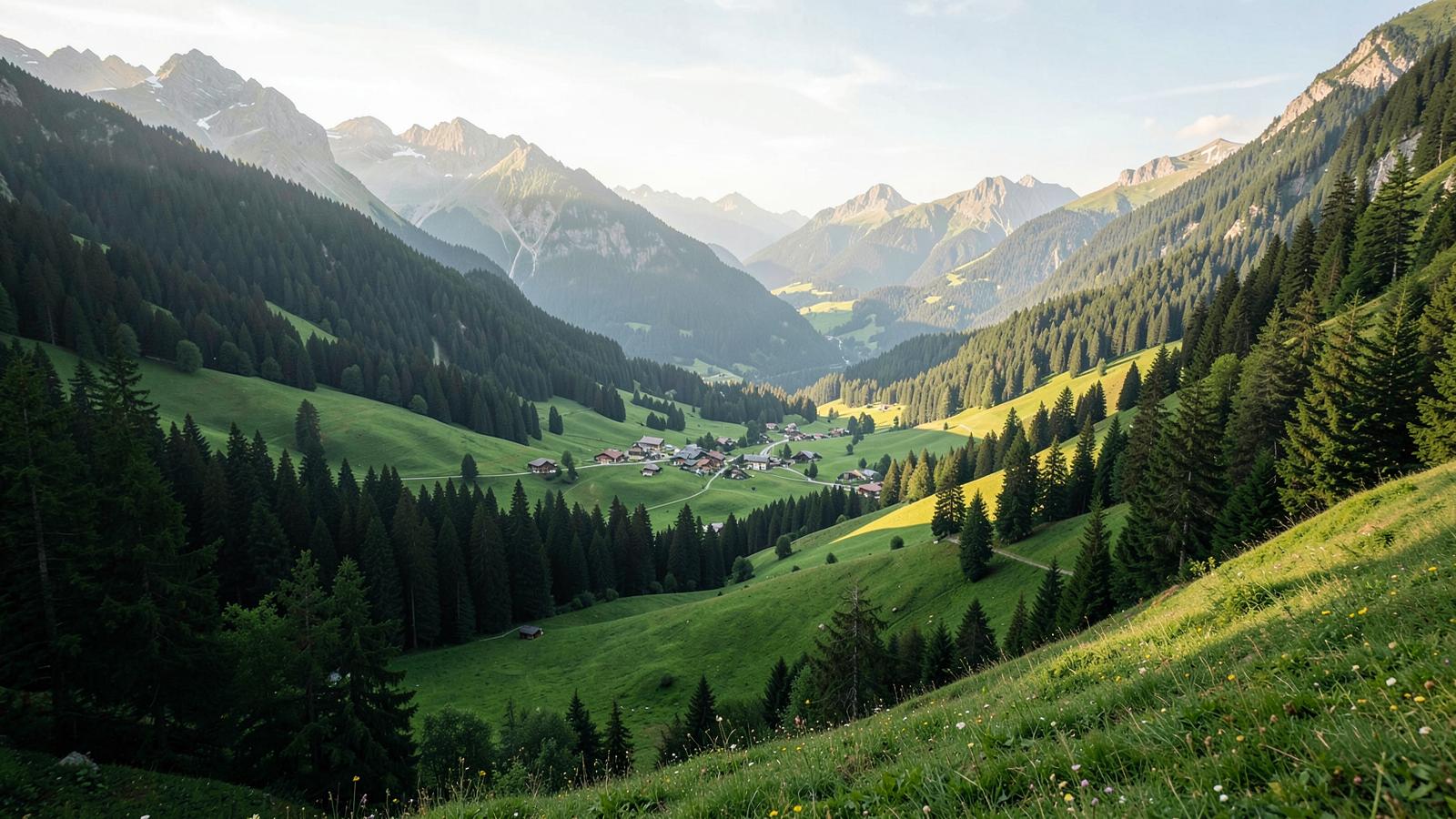
Österreich hat sich als Staat Klimaneutralität bis 2040 zum Ziel gesetzt – eines der ambitionierteren nationalen Ziele in Europa. Für einen Haushalt stellt sich die Frage kleiner und konkreter: Was kann ich ändern, was kostet das, und was mache ich mit den Emissionen, die ich nicht vermeiden kann?
Woher die Emissionen in Österreich tatsächlich kommen
Der produktionsbasierte Pro-Kopf-Ausstoß liegt in Österreich bei rund 7,5 bis 8 Tonnen CO₂e pro Jahr. Rechnet man importierte Emissionen mit ein (konsumbasierte Betrachtung, etwa bei Kleidung, Elektronik oder anderen importierten Gütern), liegt der tatsächliche Fußabdruck laut Umweltbundesamt rund 40 bis 50 Prozent höher – also im Bereich von 10 bis 11 Tonnen pro Person und Jahr. Für die eigene Bilanz ist das die relevantere Zahl, weil sie auch das Konsumverhalten abbildet. Die größten Blöcke, die ein Haushalt selbst steuert, sind Heizen, Mobilität und Ernährung.
Heizen ist der größte Hebel. Rund 1,3 bis 1,4 Millionen Haushalte heizen weiterhin mit Öl (ca. 440.000–520.000) oder Gas (ca. 844.000). Der bundesweite Fördertopf für den Heizungstausch ("Raus aus Öl und Gas" bzw. Sanierungsoffensive) wurde jedoch am 10. Juli 2026 vom Bund gestoppt, weil die für 2026 vorgesehenen Mittel ausgeschöpft waren – Neuregistrierungen sind derzeit nicht möglich, bereits gestellte Anträge laufen weiter. Eine Fortsetzung für 2027/2028 ist angekündigt, aber Höhe und Starttermin stehen noch nicht fest. Parallel dazu bestehen in den meisten Bundesländern weiterhin eigene Landesförderungen für den Umstieg auf Wärmepumpe, Fernwärme oder Biomasse – diese solltest du vor der Planung eines Heizungstauschs prüfen, auch wenn der Bundesanteil derzeit pausiert.
Mobilität folgt an zweiter Stelle. Mit dem Klimaticket wird der öffentliche Verkehr in ganz Österreich zu einer einzigen Jahresentscheidung, die für Pendlerinnen und Pendler oft günstiger und emissionsärmer ist als ein Zweitauto.
Strom ist ein kleinerer Hebel, als viele annehmen, weil der österreichische Strommix stark von Wasserkraft geprägt ist. Ein zertifizierter Ökostromtarif hilft, verändert deinen Fußabdruck aber nicht so stark wie ein Heizungstausch.
Beginne mit deiner eigenen Zahl
Durchschnittswerte sind eine schlechte Grundlage für persönliche Entscheidungen. Heizsystem, Arbeitsweg und Flüge bestimmen den größten Teil deines Ergebnisses. Unser CO₂-Rechner ermittelt in etwa fünf Minuten deinen Gesamtwert und zeigt dir direkt, welchen Monatsbetrag du kompensieren könntest – eine konkrete Zahl, mit der du weiterplanen kannst.
Worauf sich Österreichs Klimapolitik verpflichtet hat
Es lohnt sich zu wissen, was der Staat zugesagt hat, denn daran hängen Förderungen und Infrastruktur, die Haushalten offenstehen.
Österreich verfolgt ein „Zwei-Säulen-Prinzip": Emissionen senken und sich zugleich an die bereits unvermeidbare Erwärmung anpassen. Laut der offiziellen Darstellung der österreichischen Klimaschutzstrategie ist die Durchschnittstemperatur in Österreich seit 1900 um rund 3,1 Grad Celsius gestiegen, mehr als doppelt so schnell wie im globalen Durchschnitt. Die Folgen sind Hitzewellen, Dürreperioden, Starkregen und Muren, die spürbar zunehmen.
Der rechtliche Rahmen ist mehrstufig. Das Übereinkommen von Paris setzt das 1,5-Grad-Ziel. Die EU hat ihr 2030-Ziel im Rahmen des Green Deal und des Europäischen Klimagesetzes auf netto mindestens minus 55 Prozent angehoben; über das Paket „Fit for 55" bedeutet das für Österreich minus 48 Prozent bis 2030 gegenüber 2005 in den Sektoren außerhalb des Emissionshandels (Effort Sharing Regulation). National regelt das Klimaschutzgesetz von 2011 die Emissionshöchstmengen samt sektoraler Aufteilung. Das Regierungsprogramm 2025 bis 2029 sieht ein neues Klimagesetz vor, mit Klimafahrplan, Treibhausgasbudgets je Sektor, wissenschaftlichem Klimabeirat und einem Korrekturmechanismus, falls jährliche Obergrenzen überschritten werden. Dieses Gesetz war zuletzt für die zweite Jahreshälfte 2026 angekündigt, aber noch nicht beschlossen. Die österreichische Anpassungsstrategie, erstmals 2012 beschlossen, liegt seit April 2024 in ihrer dritten Fassung vor.
Für einen Haushalt heißt das vor allem: Diese Ziele sind der Grund, warum es Förderungen für den Heizungstausch, das Klimaticket und den Ausbau erneuerbarer Energie gibt. Deine eigenen Reduktionen bauen auf dieser Infrastruktur auf – auch wenn einzelne Fördertöpfe, wie aktuell beim Heizungstausch, zeitweise pausieren.
Wo ein persönlicher Beitrag hineinpasst
Staatliche Ziele betreffen die gesamte Volkswirtschaft; sie beantworten nicht, was eine einzelne Person mit dem Rest macht, der nach dem Reduzieren übrig bleibt. Diesen Rest kann man adressieren, indem man zertifizierte Projekte finanziert, die Emissionen anderswo vermeiden oder binden – als Klimabeitrag, dokumentiert und so benannt, nicht als persönliches Neutralitätsversprechen. Die Werberegeln dahinter haben wir in unserem Beitrag zu den EU-Regeln für Umweltwerbung beschrieben.
Eine realistische Reihenfolge
1. Fußabdruck berechnen, um eine konkrete Zahl zu haben und die zwei größten Blöcke zu kennen. 2. Reduzieren, wo es zu deinem Leben passt – das sieht in jedem Haushalt anders aus. Nicht jeder kann am Heizsystem etwas ändern: Ein Tausch kommt vor allem für Eigentümerinnen und Eigentümer infrage, während Mieterinnen und Mieter eher bei Stromverbrauch ansetzen können. 3. Mobilität überdenken: Klimaticket, weniger Kurzstreckenflüge und die ehrliche Frage, ob ein Zweitauto nötig ist. 4. Ernährung anpassen, wo es leichtfällt: weniger Rindfleisch und Milchprodukte, weniger Verschwendung. 5. Für den Rest einen Beitrag leisten: über zertifizierte Projekte, transparent und ohne Neutralitätsaussage.
Wie unser Beitrag funktioniert
Unser Abo richtet sich nach deinem berechneten Fußabdruck und finanziert zertifizierte Projekte: Waldschutz im Amazonas, sauberes Trinkwasser in Bangladesch und erneuerbare Energie in Indien. Du erhältst eine Dokumentation darüber, was in deinem Namen finanziert wurde – ein Klimabeitrag, klar benannt.
Reduktion bleibt die Priorität. Der Beitrag deckt, was heute übrig bleibt, nicht das, was du morgen vermeiden könntest.
Quellen
Heizungsförderung - Energiesparverband OÖ: Heizkesseltausch – Förderung vom Bund am 10.7.2026 beendet - e5 Salzburg: Bundesförderung für Heizungstausch ab 2027 - Dachverband Erneuerbare Energie Österreich (EEÖ), Presseaussendung Juli 2026: Fördertopf schon im Juli leer - Bundeskanzleramt Österreich: „Raus aus Öl und Gas" – Förderung des Austauschs von Öl- und Gasheizungen
Fossile Heizungen in Zahlen - Klimadashboard Österreich: Heizungen - Österreichischer Biomasseverband: Österreichs Haushalte heizen am liebsten mit Holz
Klimapolitik & Temperaturanstieg - oesterreich.gv.at: Die österreichische Klimaschutzstrategie/Politik - BMLUK: Anpassungsstrategie für Österreich - BMF: EU-Klimaziele – Flexibilitäten (Effort Sharing Regulation, -48 % bis 2030) - Kontext Institut: Klimapolitik der neuen Regierung – Analyse des Regierungsprogramms 2025–2029
Pro-Kopf-Emissionen - Vienna.at: Heimischer Konsum sorgt für großen CO2-Fußabdruck (Umweltbundesamt-Daten, produktions- vs. konsumbasiert)